Klimaatoptimist Arnout Jaspers spreekt
Volgende week woensdag 4 september is hij een avond lang onze gast, maar wij zochten hem alvast op,
Jaspers schreef na de bestseller De stikstoffuik het boek De klimaatoptimist. Daarin legt hij uit dat we geen reden hebben om in paniek te raken over klimaatverandering.
Clintel Foundation
Datum: 29 augustus 2024
Maybe a title
Voorbeeld: However, some people are so concerned about the ways to push climate change and CO₂ reduction that they are going out of their minds, according to Lindzen. “They’re showing this temperature graph. And I think they’re realizing people are saying, you know, you draw it like this (going sharply up – HS), but this is one degree. That’s not much. And they’re worried: this is not getting people worried enough. So they’re saying: well, showing them a flood, showing them a storm, that would be visually convincing,” he says. And as it happens, there are always places on Earth that suffer from extreme weather in a way that occurs only once in a hundred years. “And people don’t figure it out that a once in a hundred years event is occurring some place on Earth every month, or five places every month. You have a picture of that. You now put that on television and you can associate ‘climate change’ with something dramatic,” Lindzen says. “The fact that they had to go to that to convince people suggests it was a fake issue because they’re clearly using something that would be normally called false advertising,” he adds.
Maybe a title
Voorbeeld: However, some people are so concerned about the ways to push climate change and CO₂ reduction that they are going out of their minds, according to Lindzen. “They’re showing this temperature graph. And I think they’re realizing people are saying, you know, you draw it like this (going sharply up – HS), but this is one degree. That’s not much. And they’re worried: this is not getting people worried enough. So they’re saying: well, showing them a flood, showing them a storm, that would be visually convincing,” he says. And as it happens, there are always places on Earth that suffer from extreme weather in a way that occurs only once in a hundred years. “And people don’t figure it out that a once in a hundred years event is occurring some place on Earth every month, or five places every month. You have a picture of that. You now put that on television and you can associate ‘climate change’ with something dramatic,” Lindzen says. “The fact that they had to go to that to convince people suggests it was a fake issue because they’re clearly using something that would be normally called false advertising,” he adds.
Voorbeeldtekst: However, some people are so concerned about the ways to push climate change and CO₂ reduction that they are going out of their minds, according to Lindzen. “They’re showing this temperature graph. And I think they’re realizing people are saying, you know, you draw it like this (going sharply up – HS), but this is one degree. That’s not much. And they’re worried: this is not getting people worried enough. So they’re saying: well, showing them a flood, showing them a storm, that would be visually convincing,” he says. And as it happens, there are always places on Earth that suffer from extreme weather in a way that occurs only once in a hundred years. “And people don’t figure it out that a once in a hundred years event is occurring some place on Earth every month, or five places every month. You have a picture of that. You now put that on television and you can associate ‘climate change’ with something dramatic,” Lindzen says. “The fact that they had to go to that to convince people suggests it was a fake issue because they’re clearly using something that would be normally called false advertising,” he adds.
meer nieuws

Verdwenen hittegolven terug: KNMI en media faalden jarenlang
Het KNMI publiceerde deze week nieuwe temperatuurcorrecties voor De Bilt. Het gaat om correcties van oude metingen van voor 1950. Door eerdere correcties waren veel tropische dagen en hittegolven in die periode uit de boeken geschrapt. Een groep critici, waaronder Marcel Crok, hebben de correcties jarenlang inhoudelijk bekritiseerd. Zij krijgen nu gelijk. Crok blikt in dit artikel terug op deze lange battle en op de rol die het KNMI en de media speelden.

De energietransitie blijkt statistisch mooier dan ze is
In dit artikel toont energie-expert Samuel Furfari aan waarom de energietransitie statistisch mooier wordt voorgesteld dan ze is. Recente veranderingen in de primaire energiestatistieken maken duidelijk dat de bijdrage van hernieuwbare energie jarenlang structureel werd overschat in veelgebruikte internationale data. Deze methodologische verschuiving verandert fundamenteel hoe de energietransitie wordt begrepen, gecommuniceerd en politiek geïnterpreteerd.
Historische draai van het KNMI
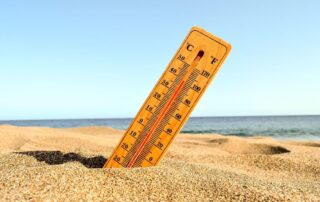
Na een lange strijd van zeven jaar hebben vier critici van Clintel gelijk gekregen van het KNMI. Er waren door het KNMI inderdaad teveel tropische dagen en hittegolven in de periode 1901-1950 weg-gecorrigeerd, zoals Clintel in diverse publicaties heeft beschreven. Zeven 'verdwenen' hittegolven zijn weer terug in de boeken en 1947 is met vier hittegolven weer het jaar met de meeste hittegolven.