Klimaatoptimist Arnout Jaspers spreekt
Volgende week woensdag 4 september is hij een avond lang onze gast, maar wij zochten hem alvast op,
Jaspers schreef na de bestseller De stikstoffuik het boek De klimaatoptimist. Daarin legt hij uit dat we geen reden hebben om in paniek te raken over klimaatverandering.
Clintel Foundation
Datum: 29 augustus 2024
Maybe a title
Voorbeeld: However, some people are so concerned about the ways to push climate change and CO₂ reduction that they are going out of their minds, according to Lindzen. “They’re showing this temperature graph. And I think they’re realizing people are saying, you know, you draw it like this (going sharply up – HS), but this is one degree. That’s not much. And they’re worried: this is not getting people worried enough. So they’re saying: well, showing them a flood, showing them a storm, that would be visually convincing,” he says. And as it happens, there are always places on Earth that suffer from extreme weather in a way that occurs only once in a hundred years. “And people don’t figure it out that a once in a hundred years event is occurring some place on Earth every month, or five places every month. You have a picture of that. You now put that on television and you can associate ‘climate change’ with something dramatic,” Lindzen says. “The fact that they had to go to that to convince people suggests it was a fake issue because they’re clearly using something that would be normally called false advertising,” he adds.
Maybe a title
Voorbeeld: However, some people are so concerned about the ways to push climate change and CO₂ reduction that they are going out of their minds, according to Lindzen. “They’re showing this temperature graph. And I think they’re realizing people are saying, you know, you draw it like this (going sharply up – HS), but this is one degree. That’s not much. And they’re worried: this is not getting people worried enough. So they’re saying: well, showing them a flood, showing them a storm, that would be visually convincing,” he says. And as it happens, there are always places on Earth that suffer from extreme weather in a way that occurs only once in a hundred years. “And people don’t figure it out that a once in a hundred years event is occurring some place on Earth every month, or five places every month. You have a picture of that. You now put that on television and you can associate ‘climate change’ with something dramatic,” Lindzen says. “The fact that they had to go to that to convince people suggests it was a fake issue because they’re clearly using something that would be normally called false advertising,” he adds.
Voorbeeldtekst: However, some people are so concerned about the ways to push climate change and CO₂ reduction that they are going out of their minds, according to Lindzen. “They’re showing this temperature graph. And I think they’re realizing people are saying, you know, you draw it like this (going sharply up – HS), but this is one degree. That’s not much. And they’re worried: this is not getting people worried enough. So they’re saying: well, showing them a flood, showing them a storm, that would be visually convincing,” he says. And as it happens, there are always places on Earth that suffer from extreme weather in a way that occurs only once in a hundred years. “And people don’t figure it out that a once in a hundred years event is occurring some place on Earth every month, or five places every month. You have a picture of that. You now put that on television and you can associate ‘climate change’ with something dramatic,” Lindzen says. “The fact that they had to go to that to convince people suggests it was a fake issue because they’re clearly using something that would be normally called false advertising,” he adds.
meer nieuws

Jonathan Cohler: “Stijging CO2 in atmosfeer niet door de mens”
Natuurkundige Jonathan Cohler heeft controversiële en compromisloze kritiek geuit op een van de centrale aannames in de moderne klimaatwetenschap en -beleid. Hij stelt dat de stijging van de CO2-concentratie in de atmosfeer in de afgelopen decennia niet het gevolg is van menselijke uitstoot, maar het resultaat van natuurlijke processen.

Geen trend in piekafvoeren Rijn
In dit artikel komt Rob de Vos nog eens terug op de lage stand van de Rijn afgelopen zomer, die leidde tot alarmistische berichten in de media. Volgens hem loopt de NOS weer eens als een kip zonder kop achter het KNMI aan.
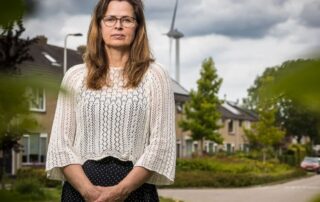
Hoeveel slapeloze burgers zijn meer windturbines waard?
Met de 2H-norm – een afstand van tweemaal de tiphoogte van een windturbine – kiest het kabinet voor de minimale variant die verdere bouw mogelijk houdt, zonder dat is aangetoond dat omwonenden daarmee afdoende worden beschermd. Intussen worden windparken afgeschakeld wegens stroomoverschotten en netcongestie. Waarom dan burgers blootstellen aan onbekende gezondheidsrisico’s om nog meer windturbines te kunnen bouwen?